
Why this exists
I built Stageside for Texas music venues. Here is how it started and why.
The origin
A friend's family owns a small live music venue in Texas. A few years ago they reached out for help with their ticketing provider. The problem: the platform had a CAPTCHA on their purchase form to block bots — but the CAPTCHA only blocked the page, not the underlying form submission. Bots were bypassing it entirely and using the form to test stolen credit card numbers at scale.
Shows would appear to sell out. Real fans would be turned away. Then the fraudulent transactions would be reversed, and the venue would spend days dealing with the fallout. The whole episode stuck with me.
Small venues should not have to find and report security vulnerabilities in the tools they pay for. They should be able to trust that someone who cares is watching, that problems get caught before they cause harm, and that when something does go wrong, they can reach a real person who will fix it. That is not a high bar. It was just not being met.
Who I am
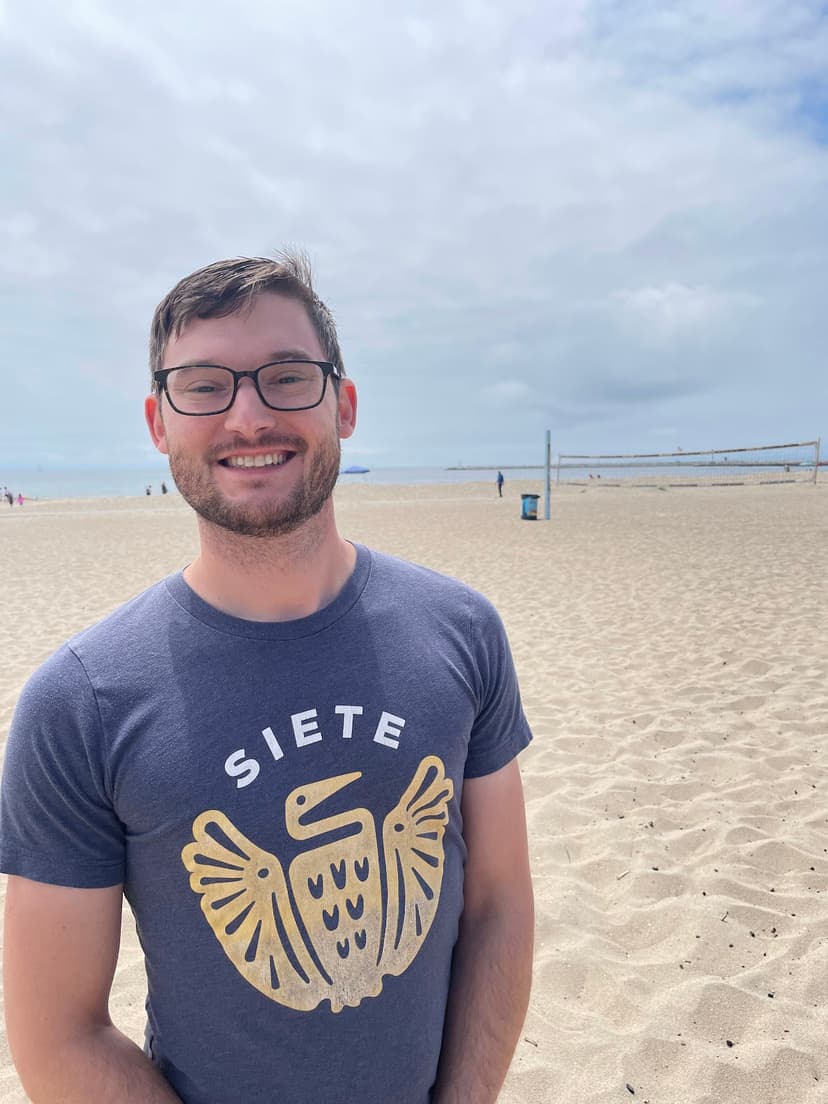
I'm Travis. I have been building software professionally for 13 years, including time at Visa. I live in Austin and I built this. When you email travis@stageside.live , you are not emailing a support queue or a contractor. You are reaching the person who wrote the code, designed the checkout flow, and decided what the fees would be. When something goes wrong, you will hear back from me directly, usually within a few hours.
The platform runs on Vercel and Supabase — production-grade infrastructure used by companies like Stripe, Figma, and Notion. Your data is yours and can be exported at any time.
I moved to Austin in 2009, and the music scene is a big part of why I stayed. Small venues are what keep it alive. They take the risk on new artists, they keep doors open on slow Tuesdays, and they are where the moments people remember actually happen.
When a venue closes because the economics stopped working, that is a permanent loss. Platforms that take 15–25% of every transaction are part of that calculation. I charge less because the math should favor venues and their fans, not the middleman.
The bigger picture
Large ticketing companies use market dominance to charge what they want and treat small venues as captive audiences. They lobby for policies that benefit their scale, not yours. That is not a conspiracy — it is just how large companies behave when they have no reason to behave differently.
Starting this company is one person's small response to that. It is not going to change the whole industry. But every dollar that doesn't leave town as platform fees is a dollar that stays in the local economy — paying local artists, local staff, local suppliers. That compounds over time in ways that matter to communities.
I am also planning to pursue B Corp certification after the first year of operation. I want the company's values independently verified on a recurring basis — because good intentions without accountability are just intentions.
If you want the specifics, my commitments lay out exactly what I promise venues and fans — each one enforced by the code or written into the contract.
Get in touch
If you run a venue and want to talk through whether this is a good fit, email me directly — I respond within one business day. Or create an account and try it on a small show. There are no setup fees and no commitment.